Play Therapy: Helping Children Heal, Grow, and Thrive Through Play
At Lil' Steps Wellness, we understand that children don’t always have the words to explain what they’re feeling. Big emotions, stressful experiences, anxiety, frustration, or behavioural challenges can show up in ways that are confusing for both children and parents.
That’s where Play Therapy can help.
Play is a child’s natural language. Through carefully guided play that is child led, children can express emotions, process experiences, build coping skills, and develop confidence in a way that feels safe and comfortable for them.
What is Play Therapy?
Play Therapy is a gentle, child-centered and child-led approach to therapy that helps children express themselves in the way that comes most naturally to them…through play!
Unlike traditional talk therapy, which relies heavily on conversation, Play Therapy uses toys, games, art, storytelling, movement, and imaginative play to help children communicate thoughts and feelings they may not yet have the words for.
During Play Therapy sessions at Lil' Steps Wellness, children are welcomed into a safe, supportive space where they can explore emotions, build confidence, and develop healthy coping skills through engaging activities.
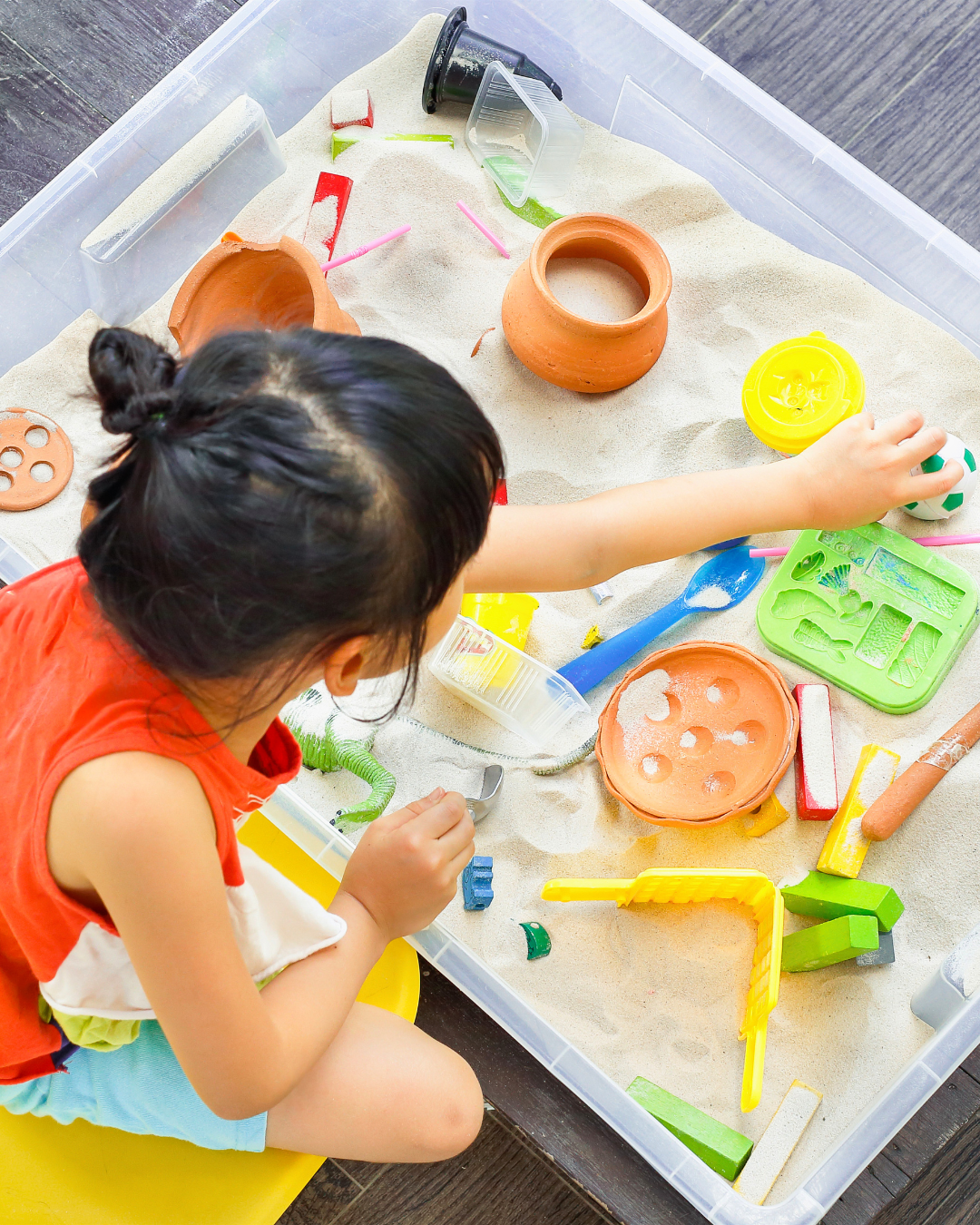
Sessions may include drawing and creative art, sand tray play, puppets and storytelling, and board games, as well as mindfulness and sensory-based activities tailored to each child’s unique needs and personality.
While play may seem simple on the surface, each activity is intentionally chosen to support emotional growth, communication, self-regulation, and resilience. Through these meaningful interactions, therapists gently help children process experiences, navigate challenges, and strengthen their ability to connect with others and themselves.
Who Can Benefit from Play Therapy?

Play Therapy can support children as young as 3-years-old, facing a wide range of emotional, behavioural, social, and developmental challenges including:
Anxiety or excessive worries
Behavioural challenges
ADHD-related struggles
School-related stress
Social difficulties
Grief or loss
Family change, such as separation or divorce
Trauma or stressful life experiences
Difficulty expressing feelings
Sensory or emotional regulation challenges